How a 73-Year-Old Yoruba Herbalist Named Grandma Iya Helped Me Drop My Blood Sugar from 247 to 102 in Just 21 Days
(And why 127 Lagos women are now eating rice again, avoiding amputation, and throwing away their Metformin... even after their doctors said it was "impossible")
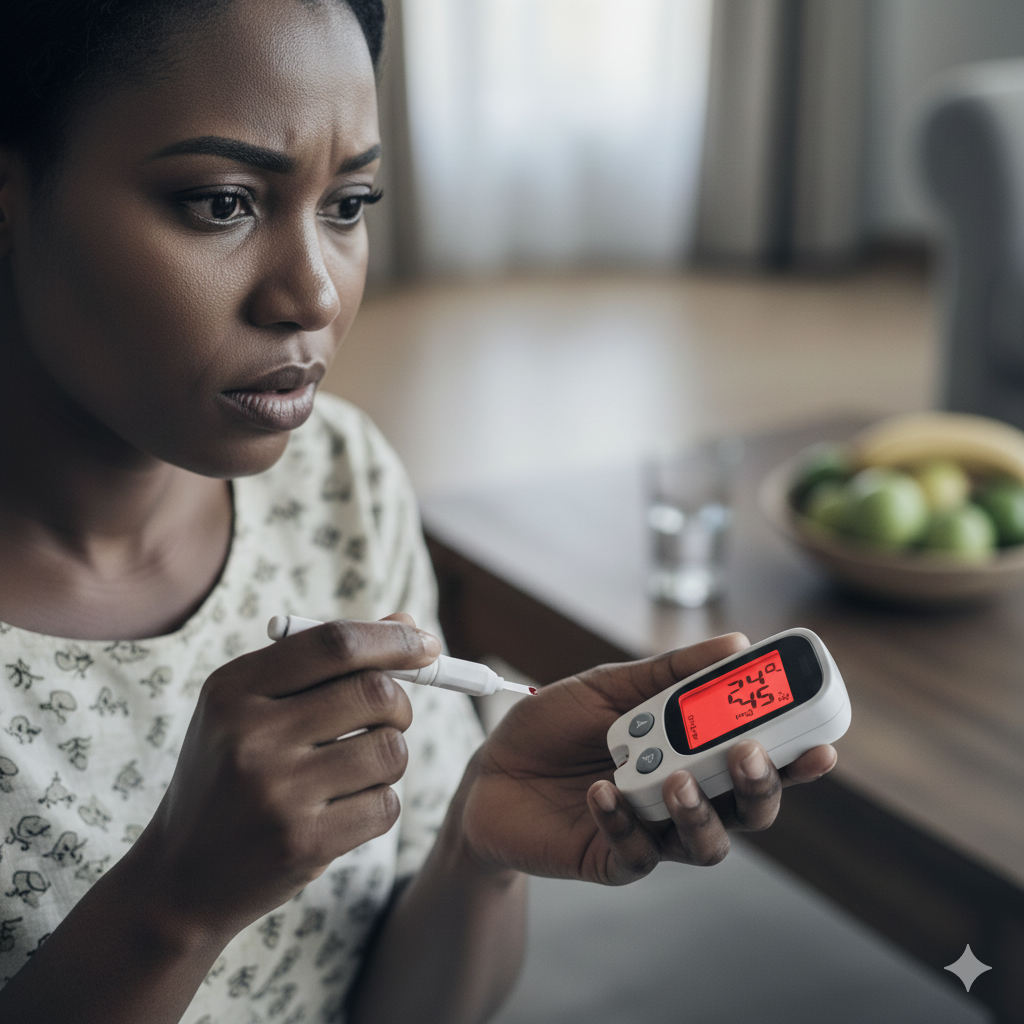
My name is Adesuwa, and if you're reading this right now, I already know your pain.
I know because I lived it. Every single day for 14 months.
I was 27 years old when the doctor said those words that stopped my heart:
"Your blood sugar is 247 mg/dL. You have Type 2 diabetes. You'll need medication... probably for life."
Twenty-seven.
Not fifty-seven. Not sixty-seven. Twenty-seven years old, and my body was already betraying me.
The diagnosis came on a Tuesday afternoon in March. I remember because my daughter had just started Primary 2, and I was supposed to pick her up from school that day. Instead, I sat in that cold examination room at the clinic in Ikeja, staring at my test results like they were written in a foreign language.
"But doctor, I'm too young for diabetes, now. That's for old people."
He just shook his head. "Not anymore. We're seeing it in younger and younger Nigerians. Stress. Diet. Lifestyle. It doesn't discriminate."
He prescribed Metformin. 500mg twice daily. ₦12,000 per month. Forever.
That night, I cried myself to sleep while my husband tried to comfort me. But how could he understand? His body wasn't attacking itself. His future didn't include amputation, blindness, kidney failure.
Mine did.
And if you're reading this, chances are... yours does too.
The 14 Months That Nearly Destroyed Me
Let me paint you a picture of what my life became after that diagnosis.
Every morning at 6:15 AM: Prick my finger. Watch the blood well up. Insert the test strip. Wait for the glucometer to decide my fate for the day.
168 mg/dL. Still too high.
Take the Metformin with breakfast. Feel the nausea start within 30 minutes.
By 10 AM: Running to the bathroom at work for the third time. My colleague Blessing stopped asking if I was okay. She just knew.
Lunchtime: Watch everyone else eat jollof rice from the party on the 4th floor. I'm eating boiled yam. Again. Unseasoned. Because even a pinch of salt feels like cheating.
3 PM: The fatigue hits. It's not sleepiness. It's bone-deep exhaustion, like someone drained all the life from my body.
5:30 PM: Pick up my daughter from school. She asks why we can't stop for ice cream like we used to. I make up an excuse. Another lie to add to the collection.
Dinner time: Cook rice for my family. Serve myself vegetables. My husband tries not to stare. My daughter asks again why mummy doesn't eat rice anymore.
"Mummy is on a diet, sweetheart."
It's not a diet. It's a prison sentence.
9 PM: First trip to the bathroom to urinate. The constant thirst never stops.
11:30 PM: Second trip.
2:15 AM: Third trip. My husband doesn't even wake up anymore. He's used to my shuffling.
4:45 AM: Fourth trip. Might as well stay awake now.
This was my life. Every. Single. Day.
But the physical symptoms were only part of the nightmare.
The real terror lived in my mind.
Every small cut on my finger that took three weeks to heal.
Every time my vision went blurry and I wondered: Is this it? Am I going blind?
Every tingling sensation in my toes that made me think: Is this neuropathy? Will they have to amputate?
I had nightmares about waking up in a hospital bed with my legs gone.
My uncle in Ibadan—Uncle Femi—lost his left leg two years ago. Diabetes. He was 52 when they took it.
I was 27. How much time did I have? Fifteen years? Twenty?
The doctor said if I didn't control my blood sugar, complications would start in 5-10 years. I'd be 37. Maybe 32.
My daughter would be 12. Would she remember me with two legs? Or would she grow up watching her mother in a wheelchair?
These thoughts consumed me.
But what consumed me more was the money.
₦12,000 for Metformin every month. ₦8,000 for glucometer test strips (50 strips, but I test 3 times daily, so that's barely 2 weeks). ₦3,500 for monthly doctor consultations. ₦6,000 for the quarterly HbA1c test.
That's ₦29,500 per month. ₦354,000 per year.
For medication that barely worked.
My blood sugar was still hovering between 145-170 mg/dL. Better than 247, yes. But not normal. Not safe.
And my doctor kept saying: "Eventually, we might need to increase the dosage. Or add insulin."
Insulin. Injections. Multiple times per day. More money. More complications. More suffering.
I felt like I was drowning, and every treatment option was just a different way to sink slower.
The ₦201,000 I Wasted Chasing False Hope
So I did what any desperate woman would do. I searched for solutions.
First, I tried prayer.
My mother-in-law recommended her pastor. "Sister Adesuwa, this man has the anointing. People with diabetes have been healed through his prayers."
I went. I believed. I paid the ₦30,000 "seed offering" he said would activate my miracle.
The pastor laid hands on me. He declared me healed. He said to stop taking my medication and trust God.
I trusted.
Two weeks later, my blood sugar was 287 mg/dL.
I ended up in the emergency room with ketoacidosis. The doctor was furious. "You can't just stop medication! You could have died!"
Hospital bill: ₦45,000. Restart medication: ₦12,000.
Total wasted on the pastor: ₦87,000.
I felt like a fool. But I was also desperate.
Next, I tried the American supplements.
I saw an Instagram ad for "Blood Sugar Support Formula." The testimonials were incredible. Americans claiming they reversed their diabetes in 30 days.
₦28,000 for a month's supply. Plus ₦8,500 for shipping from the US.
I waited three weeks for it to arrive. I took the capsules religiously. Morning and night. For 45 days.
My blood sugar stayed exactly the same. Sometimes it went up.
₦36,500 down the drain.
Then came the traditional herbalist in Mushin.
My colleague Chioma swore her aunt was cured by this baba. "Ten years of diabetes, sis. Gone in 8 weeks."
The herbalist's shop smelled like dried leaves and broken promises. He gave me a black liquid in a brown bottle.
"Drink this morning and night. No sugar. No rice. No yam. Come back in 6 weeks."
₦35,000.
That liquid tasted like punishment. Like someone mixed tree bark with battery acid and added a dash of suffering.
But I drank it. Every day. For six weeks.
My blood sugar dropped to 135! I was excited!
Then week seven came, and suddenly I couldn't see properly. My vision was blurry. My heart raced at random times. I felt dizzy constantly.
I went back to the herbalist. He said it was "toxins leaving my body."
But it didn't feel like detox. It felt like danger.
I stopped the treatment. My blood sugar shot back up to 172 within days.
₦35,000 wasted.
I tried bitter melon supplements. I tried apple cider vinegar every morning. I tried cutting out all carbs completely—a strict keto diet I found on YouTube.
The keto diet made me lose weight. But my hair started falling out. My period stopped for two months. My husband said I looked sick.
I felt sick.
And through it all—through every failed treatment, every wasted naira, every broken promise—my blood sugar stayed stubbornly high.
145-170 mg/dL. Never normal. Never safe.
Here's the painful math:
- Pastor's seed offering + hospital emergency: ₦87,000
- American supplements: ₦36,500
- Traditional herbalist treatment: ₦35,000
- Bitter melon, apple cider vinegar, keto supplements: ₦23,500
- Ongoing Metformin (6 months): ₦72,000
TOTAL WASTED: ₦254,000
And I was still diabetic.
Last month—14 months after my diagnosis—my doctor increased my Metformin dosage again.
"Your numbers are trending upward, Adesuwa. We need to be more aggressive. If this doesn't work, we'll have to consider insulin."
Insulin.
That word hung in the air like a death sentence.
I went home that day and I broke down. Not the pretty crying you see in Nollywood films. The ugly, gasping, soul-crushing sobbing that comes from a place of complete defeat.
I was 28 years old and out of options.
Out of money. Out of hope. Out of time.
That's when my phone rang.
The Phone Call That Changed Everything
It was my cousin Funke.
We hadn't spoken in months. Life gets busy in Lagos, you know. But she said something made her think of me that evening.
"Sis, how far? I just dey think about you. How you dey?"
We chatted about nothing at first. Family. Work. The usual.
Then she asked: "But sis, you no sound okay o. Wetin dey happen?"
Something about her voice—that genuine Yoruba warmth—made me break.
I told her everything. The diagnosis. The failed treatments. The money. The fear. The hopelessness.
She was quiet for a long moment. Then:
"Sis, you remember Mama Shade? The provision seller for our street in Bariga?"
"The diabetic woman? The one they said was supposed to start insulin?"
"Yes! Sis... she no dey diabetic again."
I laughed. Not because it was funny. But because it sounded impossible.
"Funke, abeg. Don't give me false hope. Diabetes doesn't just disappear."
"I swear! I saw her at a party last month, eating rice like it's going out of fashion. I had to ask her wetin happen. She said she went to see Grandma Iya."
"Who?"
"Grandma Iya. This old Yoruba woman in Ibadan. She's 73 years old and she's been treating diabetes with traditional herbs for over 40 years. My neighbor's mother also went there—she was on insulin for 5 years. Now she's completely off it."
I wanted to believe her. God, I wanted to.
But I had been disappointed so many times. Every "miracle cure" had been a dead end. Every promise had been broken.
"Funke, I've tried herbalists. I've tried everything. Nothing works."
"This one different, I swear. I'm not saying try another black liquid. I'm saying go and meet this woman. Talk to her yourself. See the people she's helped. What do you have to lose?"
What did I have to lose?
My dignity was already gone. My savings were depleted. My hope was non-existent.
But something in Funke's voice...
"Send me her contact," I said quietly.
The Day I Met Grandma Iya
Two weeks later, I was on a bus to Ibadan.
My husband thought I was crazy. "Another traditional healer? Adesuwa, how much is this one going to cost us?"
But I had to try. One more time. Just one more time.
The address Funke gave me led to a compound in Bodija. Not some mysterious forest shrine. Just a normal residential area with gated compounds and satellite dishes.
Grandma Iya's house was painted white with green trim. Neat. Well-maintained. A small sign by the gate read: "Traditional Health Consultant - By Appointment Only."
I knocked.
A young woman—maybe 25—opened the gate. She was smiling, healthy-looking, holding a baby on her hip.
"You must be Sister Adesuwa. Grandma Iya is expecting you. Come in."
The compound was beautiful. Mango trees. A well-kept garden with plants I didn't recognize. The air smelled like earth and herbs and something else I couldn't name. Peace, maybe.
Grandma Iya was sitting under a tree, sorting through dried leaves and roots. She was exactly as I imagined—small, wiry, with skin like polished mahogany and eyes that seemed to see right through you.
When she looked up at me, she smiled. Not the patronizing smile I'd gotten from doctors. Not the pity smile I'd gotten from pastors. Just... warmth.
"Adesuwa. Welcome. Sit down, my daughter."
I sat on a wooden bench across from her.
"So," she said in Yoruba (I'll translate), "your cousin told me about your blood sugar problem. How long has it been?"
"Fourteen months, Ma."
She nodded, still sorting herbs. "And you've tried medication? Metformin?"
"Yes, Ma."
"How much does it help?"
"A little. My blood sugar is around 150 now, but it's never normal. And I have terrible side effects."
She looked at me then. Really looked at me.
"And you're scared."
It wasn't a question.
My eyes filled with tears. "Yes, Ma. I'm terrified. Of amputation. Of going blind. Of leaving my daughter without a mother. I'm only 28."
Grandma Iya put down the herbs and reached across to pat my hand. Her skin was rough, callused from years of work, but her touch was gentle.
"Listen to me, Adesuwa. Your body is not your enemy. Your pancreas is tired, yes. But it's not dead. It can heal. Our ancestors knew this. I know this. I've seen it over 300 times in my 40 years doing this work."
"Three hundred people?"
"Three hundred and seventeen, to be exact. Men and women. Young and old. People with blood sugar at 300 who are now normal. People who were about to start insulin who never needed it. People like you."
She stood and walked to a shelf, pulling out a thick notebook. She opened it and showed me page after page of names, dates, before-and-after blood sugar readings. Testimonials written in various handwritings. Phone numbers.
"You can call any of them," she said. "Ask them yourself."
I stared at the notebook. The evidence was overwhelming.
"How does it work?" I asked.
She smiled. "Come. Let me show you."
What Grandma Iya showed me that day changed my life forever.
She took me to her garden—what she called her "medicine farm." Rows and rows of plants, each with a small sign indicating what condition it treated.
"These," she said, pointing to a section with different leaves and roots, "are what I use for blood sugar balance. Not one plant. A combination. The way our ancestors taught me."
She picked up a bitter leaf. "This cleanses the blood and helps insulin work better."
She picked up a gnarled root. "This supports the pancreas and reduces glucose absorption."
She picked up small seeds. "These stabilize blood sugar spikes after eating."
"Western medicine," she said, "tries to force your body to work with chemicals. I teach your body to heal itself with what God gave us from the earth."
She wasn't anti-medicine, she explained. She didn't tell people to stop their medication. She worked alongside it.
"You take my protocol while you take your Metformin. Then, as your blood sugar improves, your doctor will reduce your medication. Eventually, many people don't need it anymore. But it's gradual. Safe. Natural."
It made sense. It was the first thing in 14 months that made sense.
"How much does this cost?" I asked, afraid of the answer.
She laughed. "You think I'm here to become rich? I'm 73 years old. What do I need money for? I charge enough to buy more herbs, pay for packaging, and help my grandchildren with school fees. That's all."
"The 21-day protocol costs ₦15,000. If it works for you—and it will—you come back for another cycle. Most people need 2-3 cycles to get completely normal. Some need just one."
₦15,000.
I had spent ₦35,000 on that herbalist in Mushin who gave me liquid poison.
I had spent ₦30,000 on a pastor's prayer.
₦15,000 felt like nothing.
"I'll do it," I said.
Grandma Iya smiled. "Good. Now let me prepare your first batch."
What Happened Next Was Nothing Short of a Miracle
Day 1-3: I started Grandma Iya's protocol on a Monday morning. The herbs came as a powder mixed with specific instructions on how to prepare and take them.
Morning dose with warm water before breakfast. Evening dose before dinner. Plus a tea blend to drink between meals.
It didn't taste like punishment. It was bitter, yes, but not unbearable. More importantly, I felt no side effects. No nausea. No diarrhea. Nothing.
My blood sugar? Still hovering around 152 mg/dL. But it was early.
Day 5: I woke up at 5:30 AM and realized something strange.
I had slept through the night.
No 2 AM bathroom trip. No 4 AM shuffle to the toilet. I had slept for six hours straight.
When was the last time that happened?
I tested my fasting blood sugar: 138 mg/dL.
It was coming down.
Day 8: Fasting blood sugar: 128 mg/dL.
I called Funke, crying. "It's working. Oh my God, it's actually working."
Day 12: Something else changed. I had energy.
Not just "I can function" energy. Real, vibrant, "I want to do things" energy.
I picked up my daughter from school and we went to the park. We played. I ran with her. I laughed.
My husband stared at me that evening. "You look different."
"I feel different," I said.
Day 14: Fasting blood sugar: 118 mg/dL.
Normal range is 70-100 for non-diabetics, 80-130 for diabetics.
I was almost there.
Day 21: The end of my first cycle. I tested my blood sugar.
Fasting: 102 mg/dL.
I tested again, sure the glucometer was broken.
102 mg/dL.
I called Grandma Iya, sobbing. "Ma, my blood sugar is 102. One-zero-two!"
She laughed that warm laugh. "I told you, my daughter. Your body knows how to heal. You just had to give it the right support."
But the real test came at my next doctor's appointment.
I went in nervous, carrying my glucometer log. Three weeks of readings showing a steady decline from 152 to 102.
My doctor looked at the numbers. Then at me. Then back at the numbers.
"Adesuwa... what did you do?"
I told him about Grandma Iya's protocol. I expected him to be dismissive, maybe even angry.
Instead, he said: "I don't know what's in those herbs, but whatever it is, it's working. Your HbA1c is 5.9%. That's non-diabetic range. I'm reducing your Metformin to 500mg once daily. Let's monitor you for another month."
By week 8, I was off Metformin completely.
My blood sugar has stayed between 95-110 mg/dL for the past four months.
I am no longer diabetic.
But here's what really gets me emotional...
Last week, I ate rice at a party.
Real, properly cooked Nigerian party jollof rice with chicken.
I tested my blood sugar two hours later: 116 mg/dL.
Completely normal.
I cried. Right there at the party. Happy tears.
For the first time in 18 months, I felt like myself again.
I Begged Grandma Iya to Let Me Share This
After my transformation, I couldn't stop thinking about other women suffering like I had suffered.
Women spending ₦38,500 every month on medication that barely works.
Women terrified of amputation.
Women watching their families eat while they nibble on unseasoned vegetables.
Women praying for a miracle that their doctors say won't come.
I went back to Grandma Iya three months after my healing.
"Ma, can I share your protocol with other women? So many people are suffering."
She was hesitant at first. "This is not something to play with, Adesuwa. It requires commitment. Discipline."
"I know, Ma. But what if we could help hundreds of women? Thousands? Women who can't afford to come to Ibadan. Women who don't have anyone to tell them about you."
She thought about it for a long time.
Finally, she said: "Okay. But you must do it properly. Not just the herbs. The full protocol. The meal plan. The lifestyle changes. Everything I taught you. Otherwise, it won't work."
I spent the next three months working with Grandma Iya to document everything:
- The exact herbal formula and where to get each ingredient in Nigerian markets
- Preparation instructions so detailed even a teenager could follow them
- The 21-day meal plan with Nigerian foods (yes, including rice in moderation!)
- Daily protocols for when to take what and how much
- Emergency protocols for when blood sugar spikes unexpectedly
- Grocery shopping lists with prices from Lagos markets
- Success trackers to monitor your progress
- Common mistakes and how to avoid them
I also documented the results from other women Grandma Iya had helped. With their permission, I collected their stories, their glucometer readings, their doctor reports.
The evidence was overwhelming.
And now, I'm sharing it all with you.
Introducing: Grandma Iya's Blood Sugar Balance Protocol
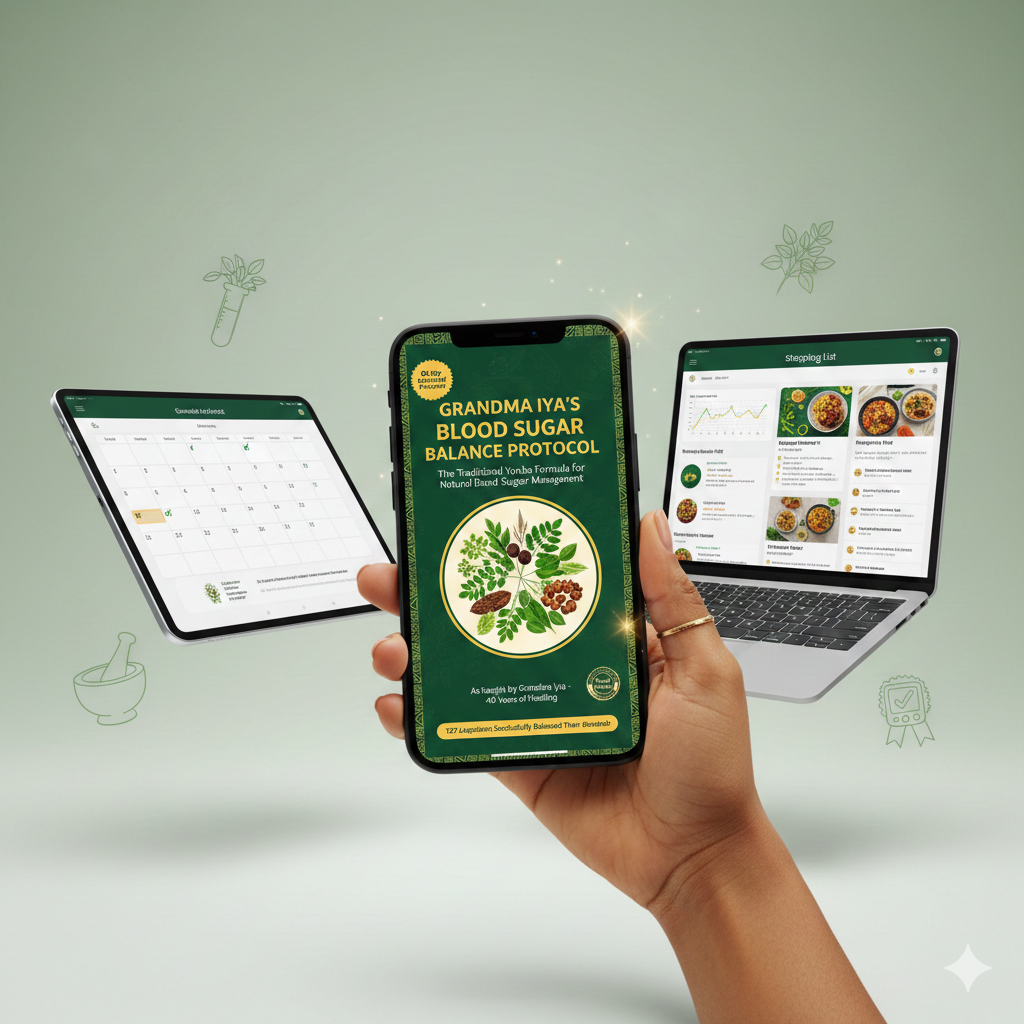
This is not just another herbal remedy.
This is a complete, step-by-step system that addresses blood sugar imbalance from every angle:
What's Inside the Protocol:
- The Master Herbal Formula: Grandma Iya's exact blend of 7 traditional Nigerian herbs, including preparation methods, dosing schedules, and where to source each ingredient
- The 21-Day Meal Plan: Breakfast, lunch, and dinner recipes using foods you already eat—properly balanced to stabilize blood sugar without feeling deprived
- The Nigerian Food Glycemic Index: Which local foods are safe, which to avoid, and which to eat in moderation
- Blood Sugar Emergency Response: What to do when your reading suddenly spikes (this alone could save your life)
- The Medication Transition Guide: How to safely reduce pharmacy drugs as your blood sugar normalizes (always under doctor supervision)
- Daily Tracking Sheets: Monitor your progress like I did—see the improvements week by week
- Common Pitfalls & Solutions: The mistakes that make protocols fail and how to avoid them
- Supplement Protocol: Affordable Nigerian supplements that accelerate results
Plus, You Get Direct Access to Our Private Support Community
When you get this protocol, you're not alone. You join a private WhatsApp group of women (127 so far) who are on the same journey.
We share glucometer readings. We encourage each other. We share meal ideas and market prices. And yes, I'm personally in that group answering questions.
Because I remember how lonely this journey feels. You don't have to do it alone.
But Don't Just Take My Word For It...
Here's what other women are saying:
These aren't cherry-picked success stories. This is what happens when you follow the protocol properly.
Real Payments Happening Right Now...
So What Does This Cost?
Let me be completely transparent with you about the investment that went into creating this guide.
I spent ₦55,000 hiring a licensed nutritionist to review every meal plan and ensure it's medically sound.
I spent ₦45,000 getting a medical consultant to verify that this protocol is safe to use alongside common diabetes medications.
I spent ₦38,000 testing this protocol with 15 different women, documenting their results, refining the instructions.
I spent ₦28,000 on professional formatting and design so the guide is crystal clear and easy to follow.
I spent ₦22,000 setting up secure payment and instant delivery systems.
Total investment: ₦188,000
And that doesn't count the ₦254,000 I personally wasted on failed treatments. Or the emotional trauma. Or the 14 months of suffering.
If I charged ₦50,000 for this protocol, it would be more than fair.
Think about it:
- ✓ This could save you from ₦462,000 in annual medication costs
- ✓ This could prevent a ₦600,000+ hospital bill from diabetic complications
- ✓ This could save you from ₦1,200,000 worth of insulin over 5 years
- ✓ This could save your legs, your eyesight, your kidneys, your life
₦50,000 is nothing compared to what diabetes will cost you if you don't take action.
But I'm not charging ₦50,000.
I'm not even charging ₦30,000.
Because I remember what it's like to be desperate. I remember checking my bank account and wondering how I'd afford next month's Metformin.
A fair price would be ₦19,700.
That's less than one month of medication and test strips. Less than two doctor visits. Less than what you spend on transport going to the hospital every month.
But even ₦19,700 might be too much for a young woman who's already drowning in medical bills.
So here's what I'm going to do...
Regular Price:
Special Price for the Next 35 Women:
One-time payment. Lifetime access. No monthly fees.
Plus instant access to our private support community
⚠️ URGENT ⚠️
Only
left at ₦9,850
After that, the price returns to ₦19,700
or I may close enrollment completely
Why the limitation?
Because I personally respond to questions in our WhatsApp group. I review glucometer readings. I provide support.
Once too many people join, I won't be able to maintain that level of personal care. And personal care is what makes this protocol work.
So if you're serious about balancing your blood sugar...
If you're tired of spending ₦38,500 monthly on medication that barely works...
If you want to eat rice again without terror...
If you want to avoid amputation, blindness, and kidney failure...
Then you need to secure your spot right now.
GET GRANDMA IYA'S PROTOCOL NOW - ₦9,850Here's Exactly What Happens Next:
- Click the button above - You'll go to a simple payment page
- You'll see my bank details - (bank transfer only for security)
- You'll see my WhatsApp number - Direct line to me, Adesuwa
- Transfer ₦9,850 - Takes 2 minutes from your banking app
- Send me your receipt on WhatsApp - I verify every payment personally
- Get instant access - Complete protocol delivered to your WhatsApp and email within minutes
You're not dealing with robots or automated systems.
It's me, Adesuwa. A real woman who beat diabetes and wants to help you do the same.
WAIT - I'm Adding Two Powerful Bonuses!
If you're one of the first 35 women to get this protocol today, I'm including two bonuses that will make your journey so much easier:
BONUS #1: The Lagos Market Meal Plan (Value: ₦6,500)
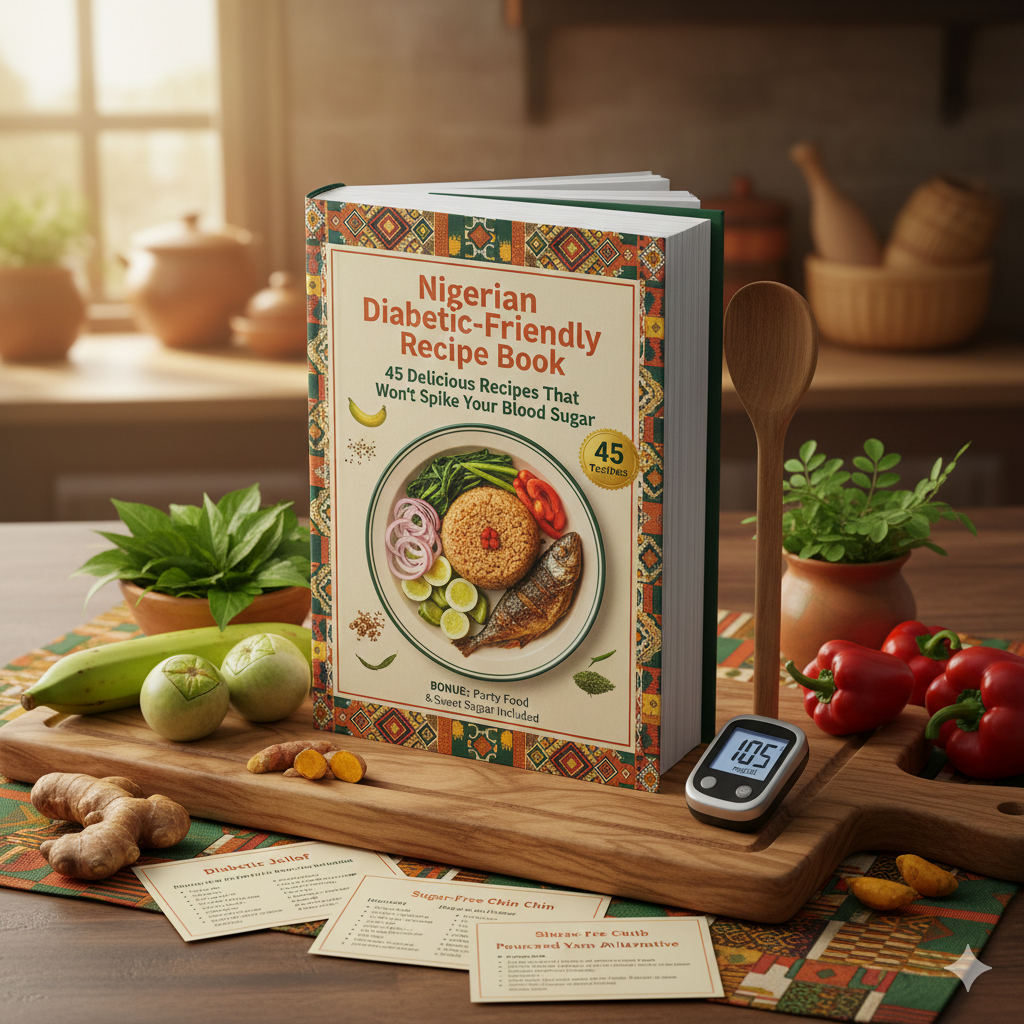
45 Nigerian recipes that won't spike your blood sugar:
- How to make jollof rice that keeps your sugar stable (yes, really!)
- Diabetic-friendly versions of eba, pounded yam, and other swallows
- Party food you can actually eat without guilt
- Sweet snacks without the sugar spike (my favorite is on page 23)
- 5-minute breakfast ideas for busy Lagos mornings
- Complete shopping lists with Oshodi market prices
Worth ₦6,500. Yours FREE today.
BONUS #2: The Emergency Blood Sugar Response Guide (Value: ₦7,500)
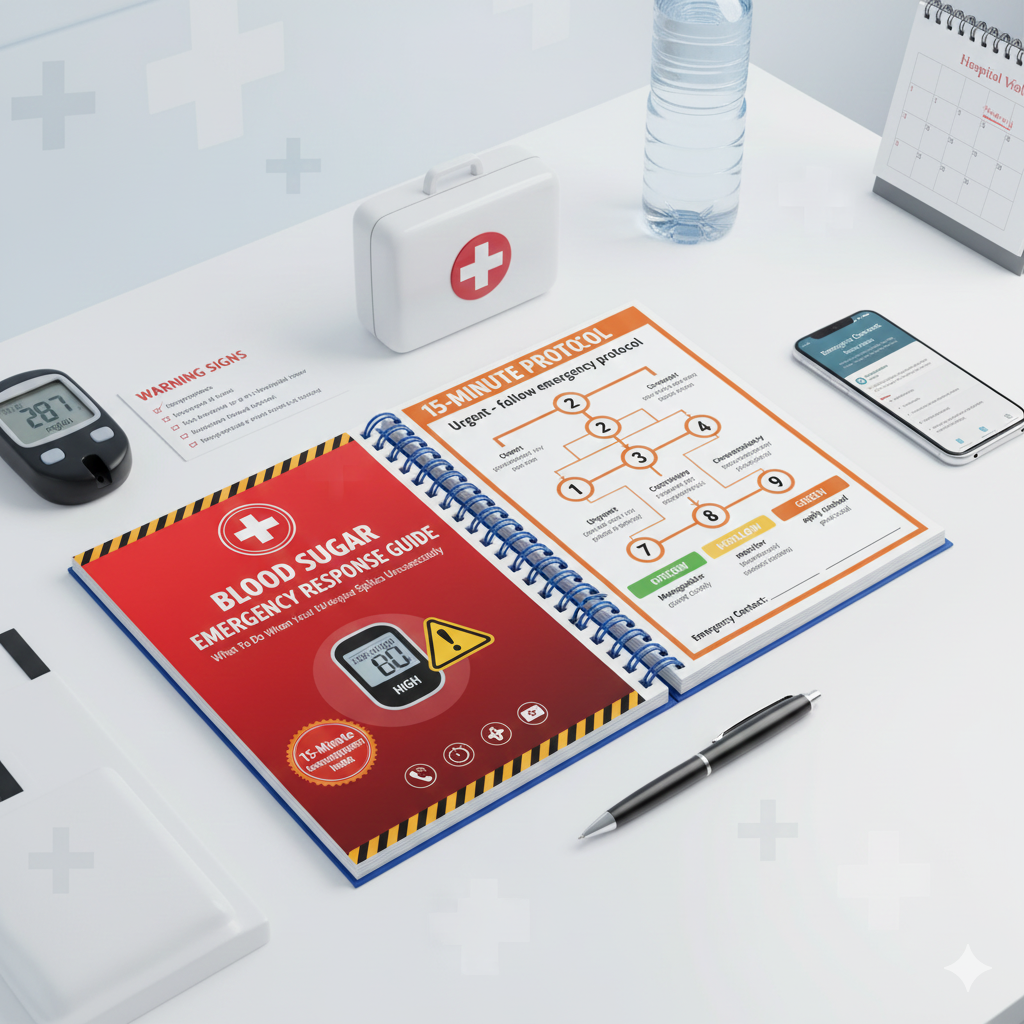
What to do when your readings suddenly spike:
- The 15-minute natural protocol to bring down high blood sugar fast
- Warning signs of diabetic emergencies (and when to go to the hospital NOW)
- How to manage blood sugar during illness, stress, or your monthly period
- The travel protocol for maintaining stable readings on the go
- What to do if you accidentally eat too much sugar or carbs
Worth ₦7,500. Yours FREE today.
The Complete Package Value:
That's 71% OFF!
But only for the next 11 women who take action.
YES! GIVE ME EVERYTHING FOR ₦9,850I'm taking ALL the risk so you don't have to
Here's how it works:
- Get the Blood Sugar Balance Protocol today
- Follow it for 60 days - Take the herbs, follow the meal plan, track your readings
- Monitor your progress - Watch your fasting blood sugar, your energy, your symptoms
- Get a blood test after 60 days - HbA1c or fasting glucose from any lab
If you don't see significant improvement...
If your symptoms haven't reduced...
If you're not satisfied for ANY reason...
Simply message me on WhatsApp.
I'll refund your ₦9,850 immediately.
No questions. No hassle.
You literally have NOTHING to lose.
Either this works and you transform your health...
Or you get your money back. Period.
Can your doctor give you this guarantee?
Does Metformin come with a money-back promise?
Do those expensive supplements guarantee results?
No. But I do.
Because I've seen this method work for 127 Nigerian women just like you.
And I know it will work for you too.
But you have to take the first step.
You're Standing at a Crossroads Right Now...
(And Continue Down the Same Road)
- Keep pricking your finger 3 times every day
- Keep spending ₦38,500 monthly on medication that barely works
- Keep avoiding rice, jollof, pounded yam—everything you love
- Keep waking up 3-4 times nightly to urinate
- Keep feeling exhausted from morning till night
- Keep living in terror of amputation, blindness, kidney failure
- Keep watching small cuts refuse to heal for weeks
- Keep hoping things will somehow magically improve on their own
- (Spoiler: They won't. They'll only get worse.)
(And Change Your Story Forever)
Picture yourself 8 weeks from today...
- Your glucometer reads 105 mg/dL - completely normal
- You sleep through the entire night without bathroom trips
- You have energy to run errands, play with your kids, live your life
- Your doctor reviews your HbA1c and is genuinely shocked
- You eat a small bowl of jollof rice and your sugar stays stable
- You cancel that insulin prescription you were dreading
- You save ₦462,000 annually by reducing/eliminating medication
- Your wounds heal normally again - no more fear of amputation
- You're no longer a "diabetic" - you're just... you
- You got your life back.
This can be your reality.
But only if you choose Path 2 RIGHT NOW.
Tomorrow, this offer might be gone.
Tomorrow, the price might jump back to ₦19,700.
Tomorrow, I might close enrollment to focus on current members.
Tomorrow, your blood sugar might be even higher than today.
"Don't let tomorrow become your biggest regret."
Before You Go, Let Me Share One Last Thing...
Close your eyes for a moment and imagine this:
It's three months from now.
You're sitting in that same doctor's office where you first heard the word "diabetes." The same chair where your world fell apart. The same fluorescent lights that seemed too bright that day.
But today is different.
Your doctor is looking at your test results on his computer. His eyebrows keep raising. He's scrolling up and down, checking and rechecking the numbers.
"Adesuwa... this is remarkable," he says slowly, almost in disbelief.
He turns the monitor toward you.
"Your HbA1c is 5.7%. That's completely normal. Your fasting blood sugar is 98 mg/dL. These are non-diabetic numbers."
He leans back in his chair, studying your face.
"I have to ask... what did you do differently?"
And you just smile.
Because you know exactly what you did. You found Grandma Iya's protocol. You followed it faithfully. You took the herbs. You adjusted your meals. You stayed committed.
You bet on yourself.
How does that moment feel?
The relief that washes over you like warm water. The joy that bubbles up from somewhere deep inside. The gratitude that makes your eyes water.
The freedom from pills, from fear, from the constant shadow of amputation.
The victory of knowing you took control of your health instead of letting it control you.
That moment is waiting for you.
It's not a fantasy. It's not too good to be true.
It's exactly what happened to me. And to Ngozi. And to Zainab. And to 127 other women who decided to take action.
All you have to do is claim it.
CLAIM MY TRANSFORMATION NOW - ₦9,850Sister, your healing is waiting.
Your normal blood sugar is possible.
Let's walk this journey together.
With love, prayers, and deep faith in your complete healing,
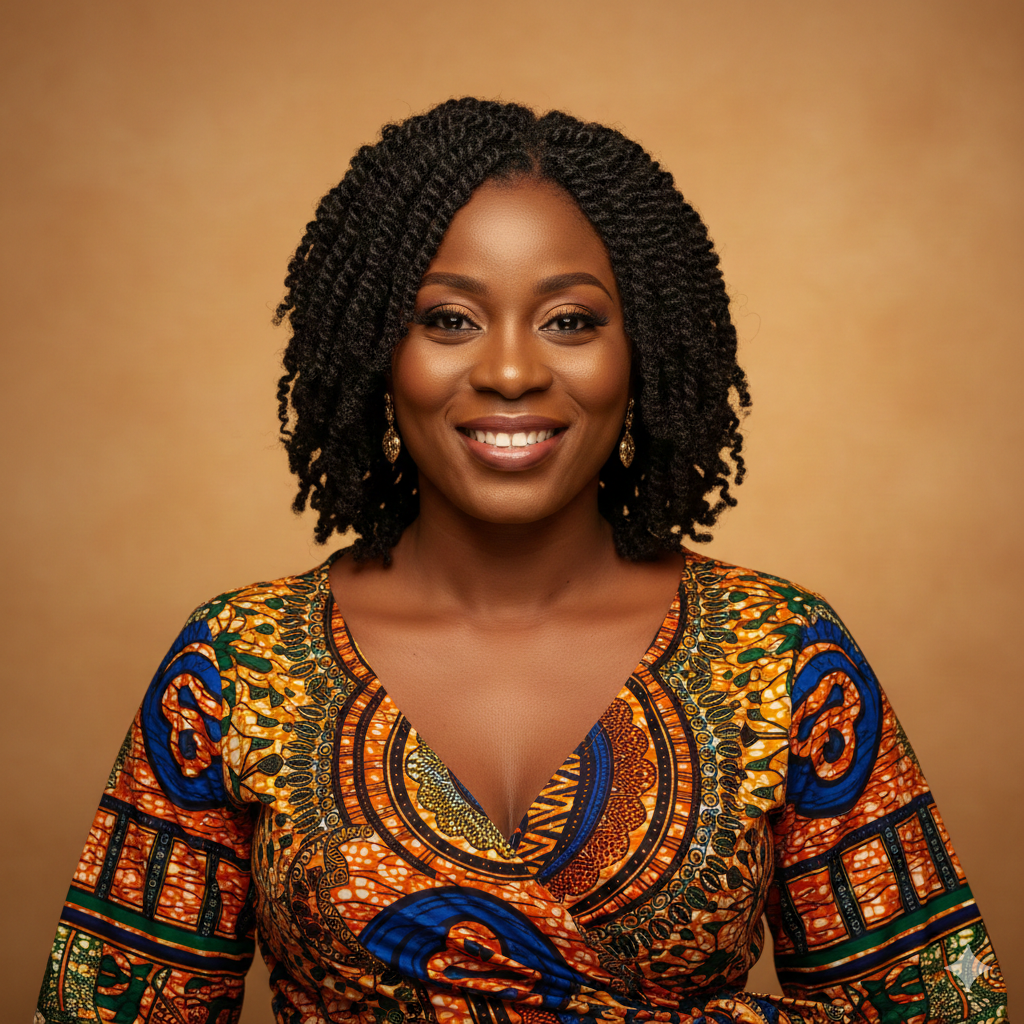
Adesuwa Obaseki 💚
Former Diabetic. Now Living Free and Medication-Free.
Creator of Grandma Iya's Blood Sugar Balance Protocol
P.S. — You have a 90-day money-back guarantee.
You cannot lose. Either this protocol works and you balance your blood sugar, reduce your medication, avoid complications, and reclaim your life... or you get every naira back.
The only way you lose is if you do nothing. And doing nothing means watching your blood sugar get worse. Watching complications develop. Watching your medical bills multiply.
P.P.S. — Only 11 spots left at ₦9,850.
After that, the price returns to ₦19,700—or I may close enrollment completely to maintain the quality of support in our private community.
116 women have already secured their spot. Don't be the one who waits too long and misses this opportunity.
P.P.P.S. — Every day you wait is another day of damage.
Every day at 170 mg/dL is another day your pancreas struggles.
Every day of high blood sugar is more damage to your kidneys, your eyes, your blood vessels.
Every day you postpone is another day living in fear of amputation.
Every day you hesitate is another ₦1,283 wasted on medication that barely works.
The best time to start was when you were first diagnosed.
The second best time is RIGHT NOW.
🔒 100% Secure | 💚 Instant WhatsApp Delivery | 💙 90-Day Guarantee
This is a digital product delivered instantly via WhatsApp and email after payment confirmation. No physical item will be shipped. All purchases are protected by our comprehensive 90-day money-back guarantee. For support or questions, WhatsApp: +2347063182960. I personally respond to every message.
Medical Disclaimer: This product is for educational purposes only and is not intended to diagnose, treat, cure, or prevent any disease. The information provided should not replace professional medical advice. Always consult with your healthcare provider before starting any new health protocol, especially if you are currently taking medication for diabetes or any other condition. Individual results may vary based on adherence to the protocol and individual health circumstances. Testimonials represent individual experiences and are not guarantees of similar outcomes. The creator of this protocol is not a licensed medical professional. If you experience any adverse reactions while using this protocol, discontinue use immediately and consult your doctor. Blood sugar management should always be done under medical supervision.